
Pediatrics World Conference 2026
Speakers - pwc2026
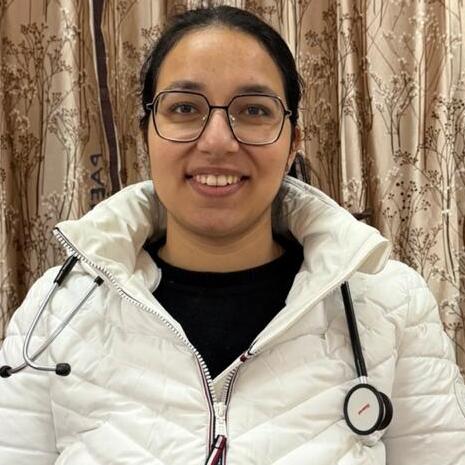
Gunjan Preet Kaur Ahuja
Gunjan Preet Kaur Ahuja
- Designation: Sri Guru Ram Das Institute of Medical Sciences and Research
- Country: India
- Title: Synovial fluid biomarkers as predictors of surgical intervention in paediatric septic arthritis
Abstract
Purpose/Hypothesis. Timely differentiation between septic arthritis requiring surgical drainage and non-operative inflammatory joint conditions remains a major challenge in pediatric orthopaedics. Although serum inflammatory markers are commonly used, their predictive value for surgical decision-making is limited. This study aimed to evaluate the role of synovial fluid biomarkers (interleukin-6 [IL-6], procalcitonin [PCT] and lactate) in predicting disease severity and the need for operative management in pediatric septic arthritis. We hypothesized that elevated synovial biomarker levels would correlate with an increased likelihood of surgical intervention and adverse short-term outcomes.
Methods. A prospective observational study was conducted in children aged 1–16 years presenting to a pediatric orthopaedic service with acute monoarticular arthritis. Synovial fluid obtained at diagnostic aspiration was analyzed for IL-6, PCT, lactate, cell count and glucose. Patients were classified into operative and non-operative management groups based on clinical progression, imaging findings and response to initial therapy. Serum C-reactive protein (CRP), erythrocyte sedimentation rate (ESR) and total leukocyte count were also recorded. Statistical analysis evaluated the association of synovial biomarker levels with the need for surgical drainage, length of hospital stay and early joint mobility.
Results. Synovial IL-6, PCT and lactate levels were significantly higher in children who required surgical intervention than in those managed non-operatively (p < 0.001). Synovial IL-6 had the strongest predictive value for surgery, outperforming serum CRP and ESR. Elevated synovial lactate levels were associated with delayed clinical improvement and prolonged hospitalization. Conventional serum markers showed limited ability to predict the need for surgery at initial presentation.
Conclusions. Synovial fluid biomarkers provide valuable predictive information for surgical decision-making in pediatric septic arthritis. Incorporating synovial IL-6 and lactate analysis into pediatric orthopaedic evaluation may improve early identification of patients requiring operative management and help optimize clinical outcomes.
Pediatrics World Conference (PWC 2026)
It is our privilege to invite pediatricians, neonatologists, nurses, researchers, and all other professionals dedicated to children and adolescents' health t ...
Read More>>
Organizer
