Pediatrics World Conference 2026
Speakers - pwc2026
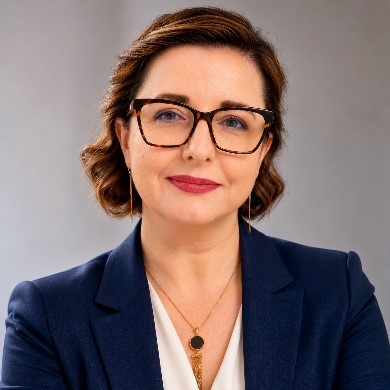
Anna Szczygielska Babiuch
Anna Szczygielska Babiuch
- Designation: Krakow Centre for Developmental Rehabilitation, Krakow, Polska
- Country: Poland
- Title: Functional Plagiocephaly Issues and Conservative Treatment Strategies
Abstract
Functional (deformational) plagiocephaly is one of the most common cranial deformities observed in infancy and results from prolonged exposure of the malleable infant skull to asymmetric external forces. Unlike craniosynostosis, it is not associated with the premature fusion of cranial sutures but develops secondary to persistent positional preference, restricted spontaneous motor activity, or concomitant congenital muscular torticollis. In recent decades, the incidence of deformational plagiocephaly has increased, largely following the widespread implementation of the "Back to Sleep" campaign, while insufficient attention has often been paid to repositioning strategies and supervised prone positioning during awake periods.
Cranial asymmetry is rarely an isolated cosmetic concern. In many infants, it is accompanied by asymmetrical muscle tone involving primarily the cervical musculature, shoulder girdle, and trunk. Persistent head-turn preference contributes to the development of asymmetric postural patterns, which may adversely affect motor development and reinforce abnormal movement strategies. Therefore, comprehensive clinical assessment should extend beyond the evaluation of cranial morphology to include muscle tone, cervical range of motion, postural alignment, and the quality of spontaneous motor performance.
Persistent cranial deformity may also lead to asymmetrical development of the craniofacial complex. Reported manifestations include orbital, facial, auricular, and mandibular asymmetry. These structural alterations may influence the anatomical relationships within the stomatognathic system. Current evidence suggests that long-standing craniofacial asymmetry may contribute to occlusal abnormalities and altered biomechanical loading of the temporomandibular joints. Although the long-term relationship between deformational plagiocephaly and temporomandibular dysfunction requires further investigation, these findings emphasize the importance of early diagnosis and multidisciplinary management involving pediatricians, pediatric neurologists, physiotherapists, and orthodontic specialists.
Conservative treatment remains the first-line therapeutic approach and should be initiated as early as possible. Manual therapy focuses on restoring cervical mobility, normalizing muscle tone, and promoting symmetrical postural control and movement patterns. Equally important is parental education regarding appropriate infant positioning, frequent head repositioning, environmental modifications, sensorimotor stimulation, and increasing supervised tummy time during wakefulness. These interventions aim to reduce sustained external pressure on the affected area of the skull while facilitating normal motor development.
In infants presenting with moderate to severe deformity, particularly when conservative measures fail to achieve satisfactory correction or treatment is initiated later in infancy, cranial orthotic therapy (helmet therapy) may be indicated. Individually customized cranial orthoses guide skull growth by selectively redirecting cranial expansion during periods of rapid brain growth, thereby promoting gradual correction of cranial asymmetry. The effectiveness of helmet therapy depends on appropriate patient selection, timely initiation, and close clinical monitoring throughout treatment.
Successful management of functional plagiocephaly requires early identification, comprehensive functional assessment, and an individualized treatment strategy. The combination of manual therapy, repositioning techniques, developmental physiotherapy, and, where clinically indicated, cranial orthotic therapy currently represents the cornerstone of conservative management. Early intervention improves the likelihood of achieving long-term correction of cranial asymmetry while supporting symmetrical musculoskeletal development and optimizing functional outcomes.
Pediatrics World Conference (PWC 2026)
It is our privilege to invite pediatricians, neonatologists, nurses, researchers, and all other professionals dedicated to children and adolescents' health t ...
Read More>>
Organizer
