Pediatrics World Conference 2026
Speakers - PWC2026
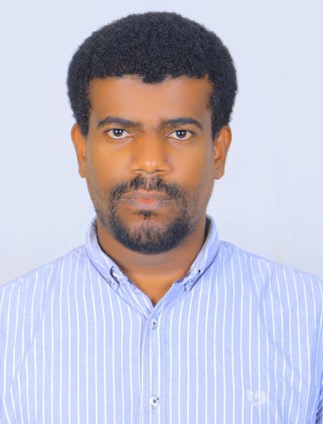
Aboker Ali Saleh
Aboker Ali Saleh
- Designation: St. Paul’s Hospital Millennium Medical College
- Country: Ethiopia
- Title: Pattern and Outcome of Electrolyte Disturbances in Children Admitted to Pediatric Intensive Care Unit at a Tertiary Hospital in Ethiopia
Abstract
Electrolyte disturbances are common among critically ill children and are associated with increased morbidity and mortality if not promptly recognized and managed. This study aimed to describe the pattern and outcomes of sodium and potassium disturbances in children admitted to the pediatric intensive care unit (PICU) at St. Paul’s Hospital Millennium Medical College. A retrospective cross-sectional study was conducted among 177 children under 15 years of age admitted to the PICU between September 2024 and September 2025. Data were collected from medical records and analyzed using descriptive statistics and chi-square tests to assess associations between variables. The prevalence of electrolyte disturbances was 71%, with hyponatremia being the most common abnormality (32.2%), followed by hypernatremia (22.6%), hypokalemia (18.6%), and hyperkalemia (18.0%). Infants under one year of age were the most affected group. Hyponatremia was most frequently associated with central nervous system disorders, while hypernatremia and hypokalemia were commonly linked to gastrointestinal conditions, and hyperkalemia to renal disorders. Overall mortality was 36.1%, and hypernatremia showed a statistically significant association with poor outcome (p=0.03), whereas other electrolyte disturbances did not demonstrate significant associations with mortality. The findings highlight a high burden of electrolyte abnormalities in critically ill pediatric patients and emphasize the importance of routine electrolyte monitoring and timely correction to improve clinical outcomes. Further prospective studies are recommended to better establish causal relationships and guide management protocols.
Pediatrics World Conference (PWC 2026)
It is our privilege to invite pediatricians, neonatologists, nurses, researchers, and all other professionals dedicated to children and adolescents' health t ...
Read More>>
Organizer
